Perched on a quiet hill in Dhat Ras, Qasr Al-Bint stands as a remarkable testament to Nabataean craftsmanship dating back more than two thousand years. Blending local legend with history, this ancient temple invites visitors to uncover the enduring legacy of one of Jordan's greatest civilizations.
Overview
Located on a hill overlooking Wadi Al-Hasa in the village of Dhat Ras, Qasr Al-Bint is one of the finest surviving Nabataean monuments in southern Jordan. Despite its popular name suggesting a royal palace, archaeological research has shown that the structure was originally built as a Nabataean temple during the first century AD. Today, it stands as a remarkable landmark where history, architecture, and the surrounding landscape come together to tell the story of one of Karak's most significant ancient sites.
Through History
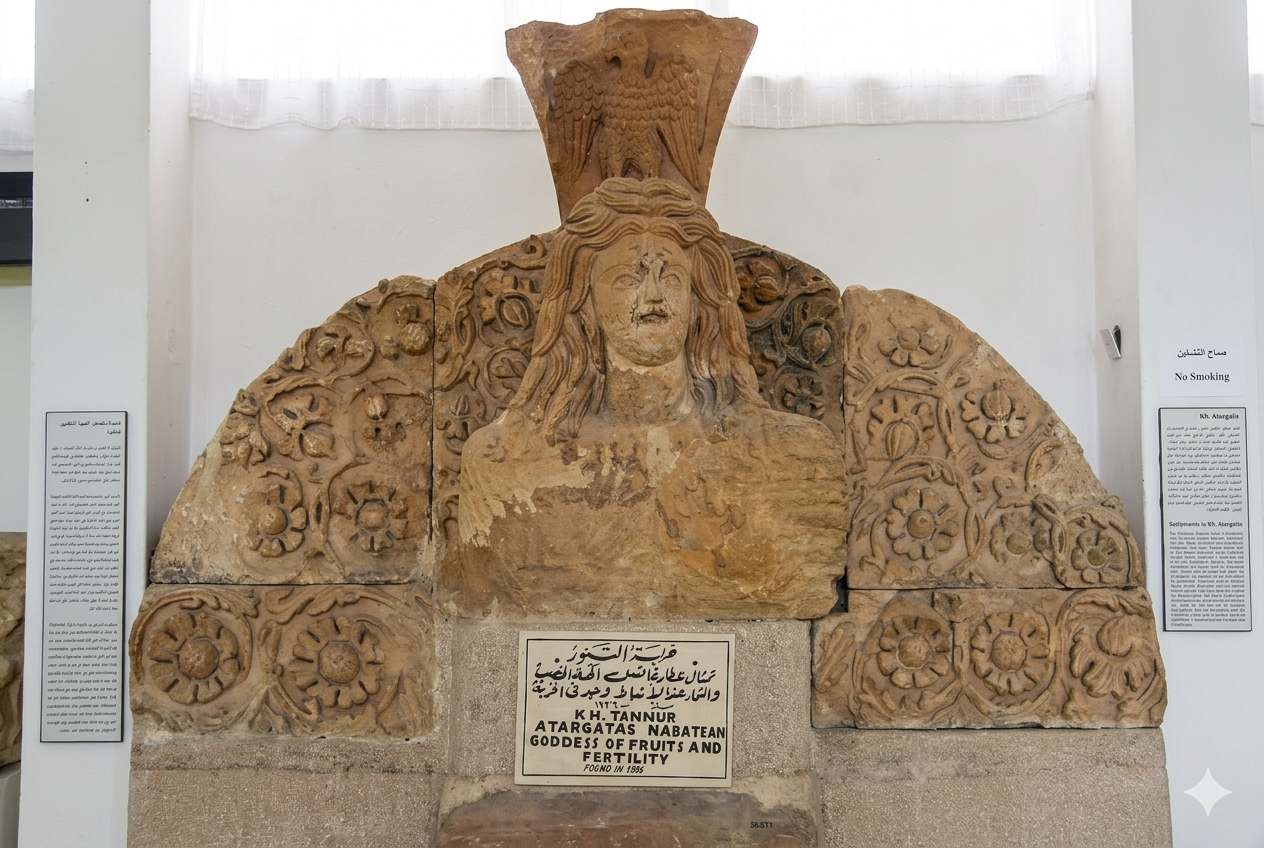
Qasr Al-Bint was constructed during the first century AD, when Dhat Ras flourished as an important Nabataean settlement along the trade routes linking Arabia with the Levant. Following the Roman annexation of the Nabataean Kingdom in 106 AD, the site continued to be used and later witnessed modifications during the Byzantine period. Over the centuries, it remained an enduring landmark through the Islamic and Ottoman eras. Local folklore eventually associated the monument with a princess, giving rise to the name "Qasr Al-Bint," although archaeological evidence confirms its original religious function.
Site Features
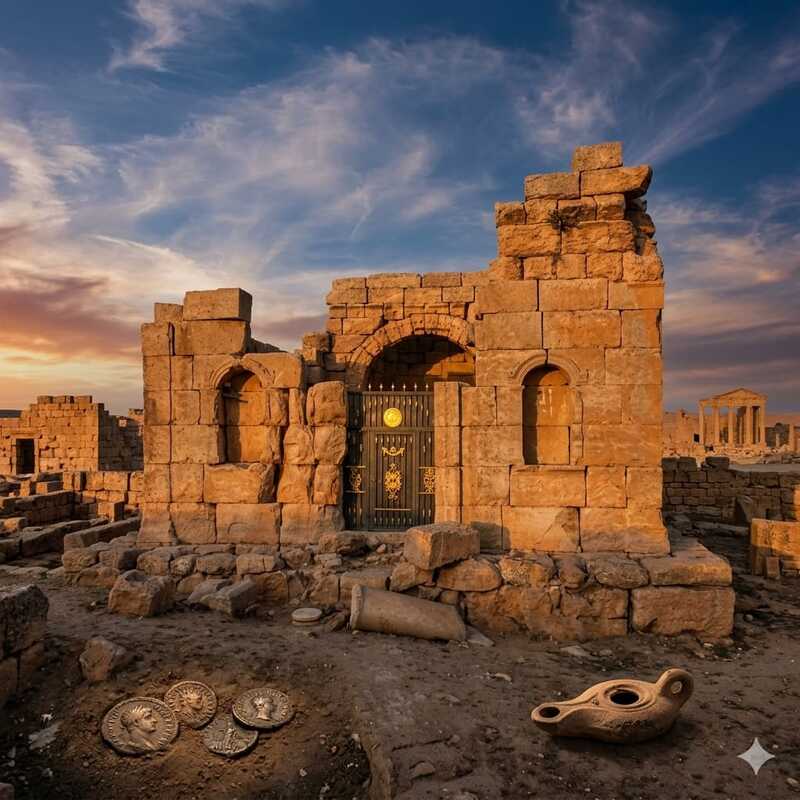
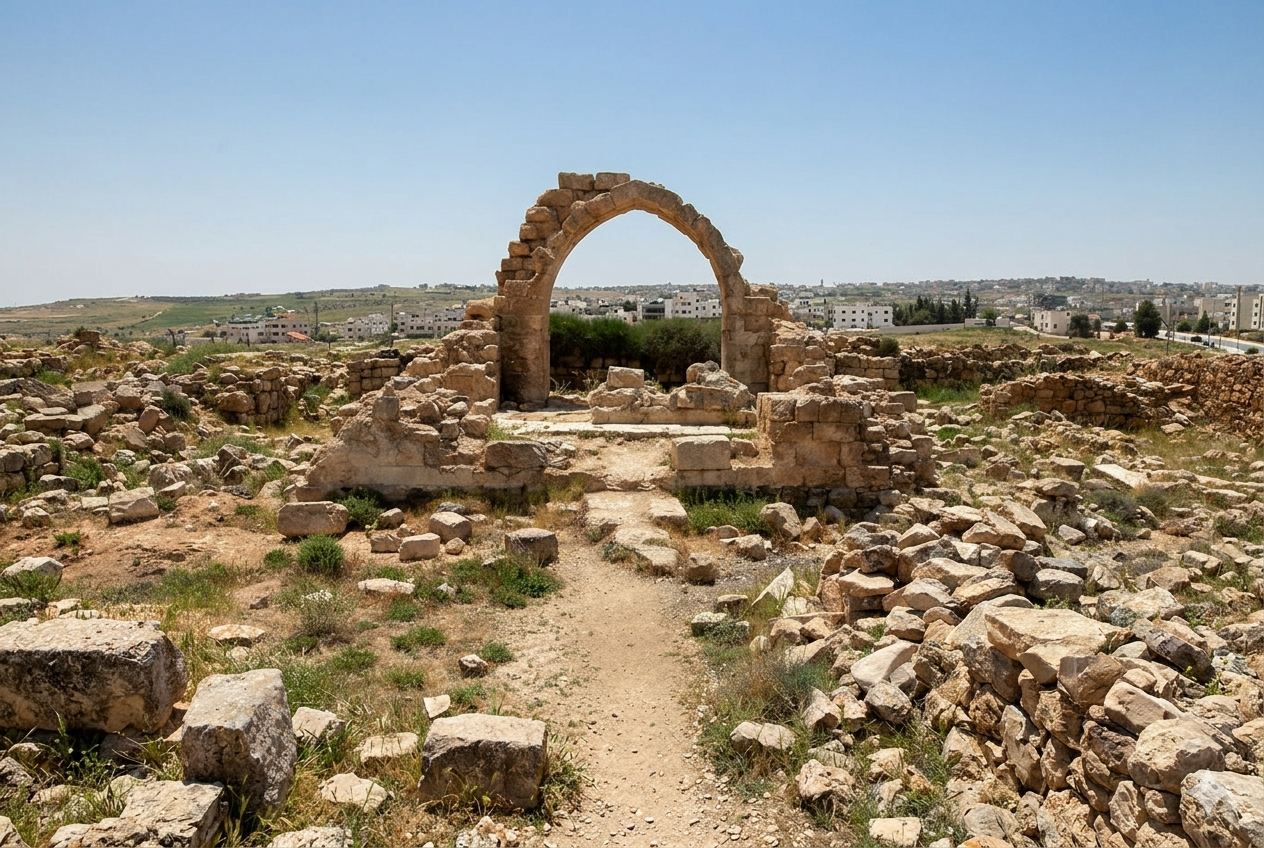
The monument showcases the exceptional stone masonry of the Nabataeans, featuring carefully carved limestone blocks, surviving walls, columns, and architectural elements that have endured for nearly two thousand years. One of its most distinctive characteristics is its south-facing entrance, an uncommon feature among Nabataean temples. The site also preserves the remains of interior chambers, arched openings, and an advanced water storage system that supplied water for religious ceremonies and daily activities.
Significance
Qasr Al-Bint is one of the most important archaeological monuments in Karak Governorate, reflecting the religious, architectural, and urban achievements of the Nabataean civilization. It highlights the historical importance of Dhat Ras as a flourishing settlement connected to ancient trade routes while preserving local traditions and legends that have become part of the site's identity. Today, it remains a valuable destination for historians, archaeologists, and visitors interested in Jordan's rich cultural heritage.
Visitor Experience
Exploring Qasr Al-Bint is a journey through more than two thousand years of history. Visitors can wander among the temple's impressive stone remains while enjoying panoramic views over Wadi Al-Hasa and the surrounding countryside. The peaceful setting enhances the experience, making it easy to imagine the thriving Nabataean community that once occupied the area. The visit can also be combined with other archaeological landmarks in Dhat Ras, including Byzantine churches and additional Nabataean remains.
Good to Know
- The monument dates to the first century AD.
- Despite its name, it was originally built as a Nabataean temple, not a palace.
- It features a distinctive south-facing entrance, unusual among Nabataean temples.
- The site overlooks Wadi Al-Hasa from an elevated hill.
- It is located in Dhat Ras, Al-Mazar Al-Janoubi District, Karak Governorate, Jordan.