
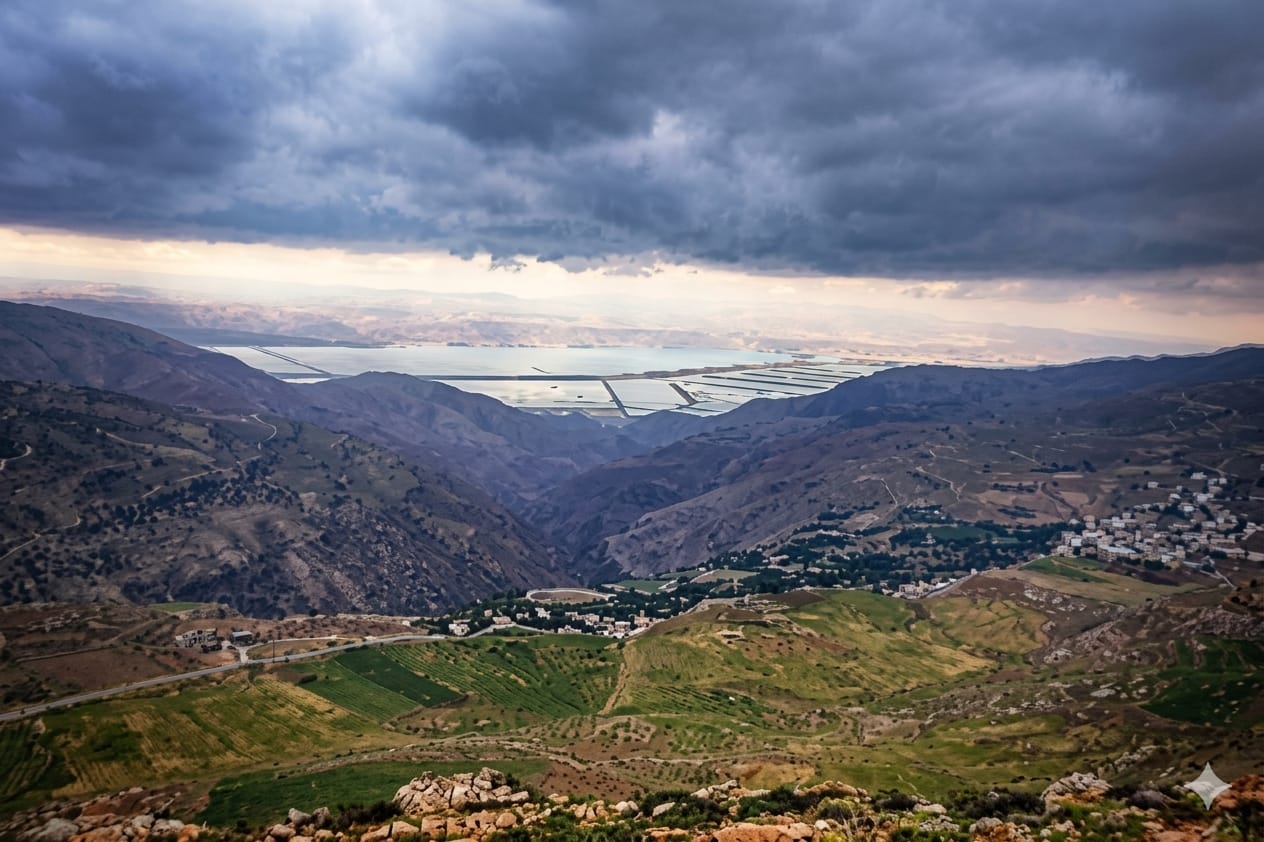
أم القرى... عراق الكرك
Nestled among the western hills of Karak, Umm Al-Qura (Iraq Al-Karak) preserves thousands of years of history. Ancient ruins, natural springs, archaeological remains, and Ottoman watermills come together to offer visitors a journey through the region's rich cultural heritage.
قرية العراق (أم القرى)، لواء قصبة الكرك
About the Landmark
Archaeological Sites
Nestled among the western hills of Karak, Umm Al-Qura (Iraq Al-Karak) preserves thousands of years of history. Ancient ruins, natural springs, archaeological remains, and Ottoman watermills come together to offer visitors a journey through the region's rich cultural heritage.
Overview
Located west of Karak City, Umm Al-Qura (Iraq Al-Karak) is considered one of the oldest continuously inhabited villages in Karak Governorate. Surrounded by rugged hills and abundant natural springs, the village preserves a remarkable blend of archaeological heritage and rural traditions that reflect thousands of years of human settlement.
Through History
Archaeological evidence indicates that the area has been inhabited since ancient times, as demonstrated by the numerous surrounding archaeological sites, including Khirbet Zabda, Khirbet Mashraqa, Khirbet Sayyad, Khirbet Al-Qusayr, Khirbet Umm Al-Na'ar, Khirbet Sabra, and Khirbet Al-Bulayda. Rock-cut tombs and ancient caves further illustrate the region's long history of settlement. Many scholars also associate the area with the Byzantine site of Tharais, which appears on the famous Madaba Mosaic Map, highlighting its historical importance during the Byzantine period.
Heritage and Identity
Among the village's most notable landmarks are the remains of an ancient temple in the Umm Al-Sawaqi area and a group of Ottoman-era watermills that once operated using the flowing waters of Ain Al-Qal'ah Spring. Numerous natural springs have supported agriculture and daily life for centuries, creating a unique landscape where natural and cultural heritage exist side by side.
Historical Significance
Umm Al-Qura attracted the attention of several renowned travelers and researchers during the nineteenth and twentieth centuries, including Johann Ludwig Burckhardt, Max von Oppenheim, Alois Musil, and Nelson Glueck. Their accounts documented the village's landscape, its people, and its historical significance, making it an important stop in the historical record of southern Jordan.
Visitor Experience
A visit to Umm Al-Qura offers a journey through history and nature alike. Visitors can explore scattered archaeological ruins, ancient springs, Ottoman watermills, and peaceful rural landscapes that preserve the authentic character of the village. Every corner reflects centuries of continuous human presence, creating an experience that combines archaeology, culture, and natural beauty.
Good to Know
- Umm Al-Qura is one of the oldest continuously inhabited villages in Karak Governorate.
- The village contains numerous archaeological ruins from different historical periods.
- Ancient temple remains, rock-cut tombs, and caves are found throughout the area.
- Ottoman watermills once operated using the waters of Ain Al-Qal'ah Spring.
- The village was documented by several European explorers during the nineteenth and twentieth centuries.
Landmark Photos
Click any image to update the main preview, or open it full size.
أم القرى... عراق الكرك
Click image to enlarge
Gallery images
Scroll horizontally to view all photos
Location on Google Maps
قرية العراق (أم القرى)، لواء قصبة الكرك
Related Places
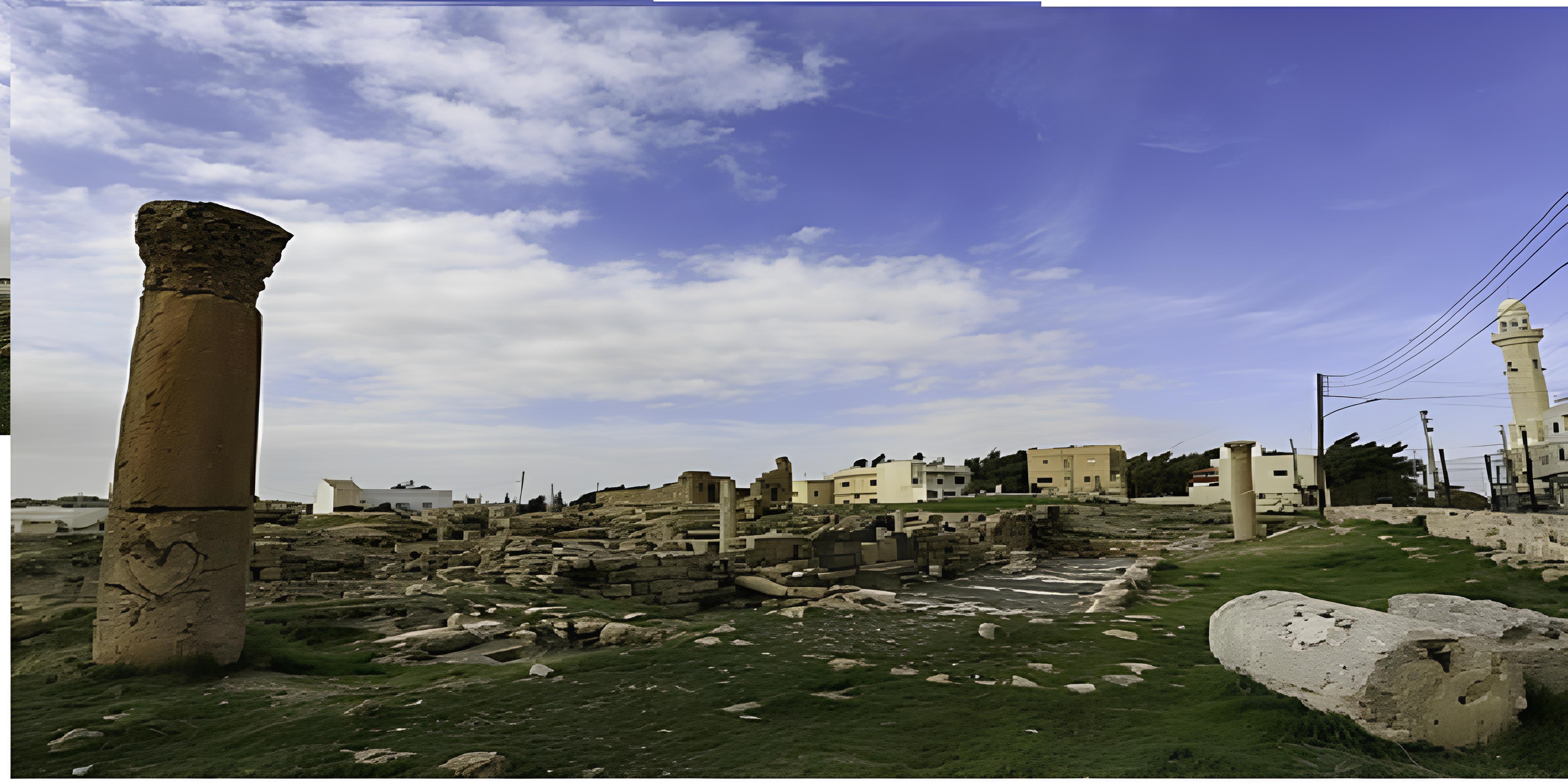
Al-Rabba
An ancient city with Moabite origins that flourished during the Roman and Byzantine periods, standing as one of the oldest historical centers along the King's Highway in Al-Karak.
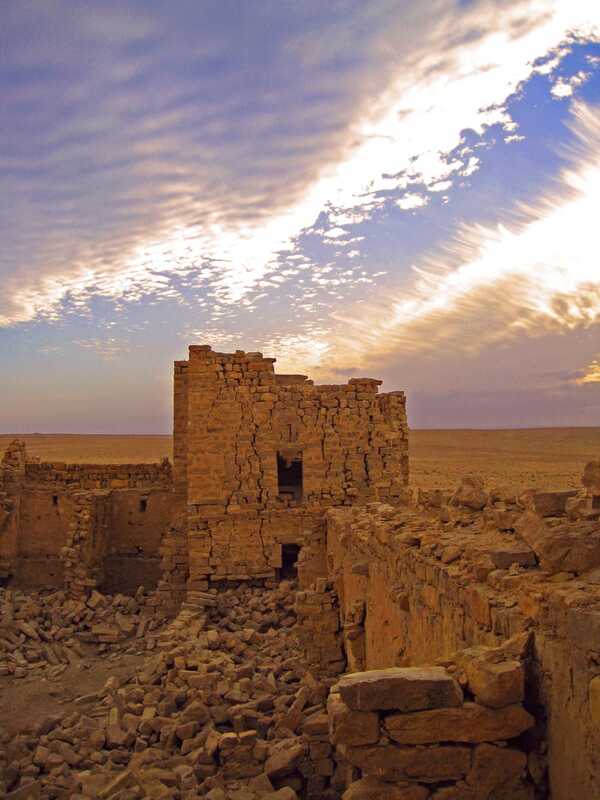
Qasr Bshir - The Nabataean Desert Fortress of Karak
Nestled amidst the tranquil plains of northeastern Karak, Qasr Bashir stands as one of Jordan's most impressive Nabataean and Roman fortresses. Its towering turrets, massive stone walls, and panoramic views of valleys and ancient roads make it an experience that transports you through both history and the desert.
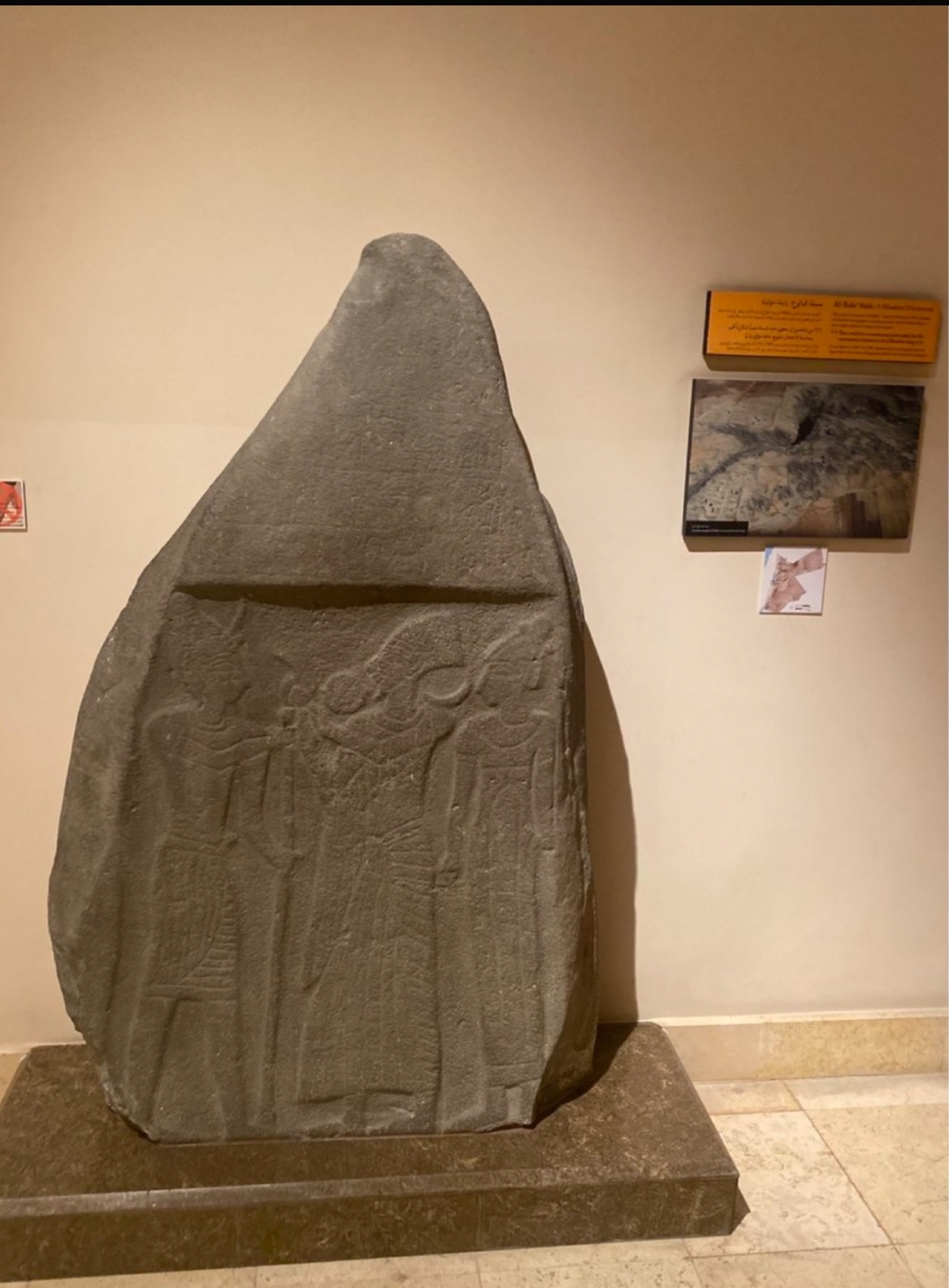
Al-Balu‘a — The Ancient Moabite City Hidden in Karak
In northern Karak, Al-Balou' stands as one of the most mysterious and intriguing archaeological sites in Jordan, where Moabite civilization blends with Pharaonic inscriptions and ancient walls in a place that holds secrets thousands of years old.
Add this landmark to your trip plan
Use the smart trip planner to design the perfect Karak tour