
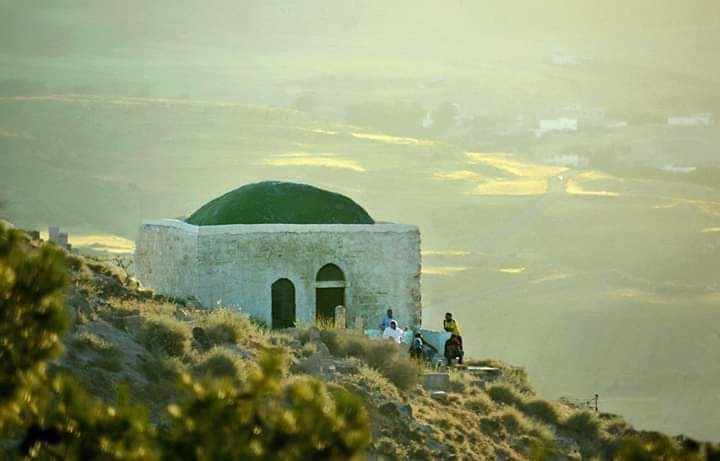
Prophet Noah Shrine
Located within the Old Islamic Cemetery in Karak, the Shrine of Prophet Noah offers a peaceful spiritual setting, preserving the local tradition associated with Prophet Noah and the enduring values of faith and patience.
محافظة الكرك – غرب مدينة الكرك (قرب مركز المدينة القديمة / داخل نطاق الكرك البلد
About the Landmark
Religious Sites
Located within the Old Islamic Cemetery in Karak, the Shrine of Prophet Noah offers a peaceful spiritual setting, preserving the local tradition associated with Prophet Noah and the enduring values of faith and patience.
Overview
Located within the Old Islamic Cemetery in the historic city of Karak, the Shrine of Prophet Noah is one of the governorate's most notable religious landmarks. The site is closely connected to the local spiritual heritage and attracts visitors seeking a peaceful atmosphere as well as a deeper understanding of the story of Prophet Noah, one of the most revered prophets mentioned in the Holy Quran and other Abrahamic scriptures.
Through History
The Shrine of Prophet Noah has long been associated with local tradition in Karak, where generations have believed it to be connected with the Prophet. The present structure reflects several historical phases and has undergone restoration and preservation works, particularly during the Mamluk and Ottoman periods, helping maintain the site's historical presence over time. Although historical sources differ regarding the actual burial place of Prophet Noah, the shrine continues to hold significant religious and symbolic value for both local residents and visitors.
Architecture and Identity
The shrine features a modest stone structure that reflects the traditional architectural character of Karak. It is crowned by a small dome that distinguishes it within the Old Islamic Cemetery. Its simple design is characteristic of many historic religious shrines in the region, where spiritual significance takes precedence over elaborate decoration, creating an atmosphere of serenity and reverence.
Its Significance in Karak
The Shrine of Prophet Noah holds a special place among Karak's religious landmarks, representing an important part of the city's spiritual and cultural heritage. It reflects the community's long-standing connection to sites associated with prophets and righteous figures, while serving as a meaningful stop along Karak's religious and historical heritage trail.
Visitor Experience
A visit to the Shrine of Prophet Noah begins with a walk through the peaceful surroundings of the Old Islamic Cemetery, where the quiet atmosphere encourages reflection and contemplation. The shrine's simple stone architecture and traditional dome offer visitors an opportunity to experience one of Karak's cherished religious sites. Its location also allows visitors to combine their trip with nearby landmarks, including Karak Castle, Al-Omari Grand Mosque, Al-Hamidi Mosque, and the traditional marketplace, creating a rich journey through the city's religious and historical heritage.
Good to Know
- Located within the Old Islamic Cemetery in Karak.
- Traditionally associated with Prophet Noah in local heritage.
- Historical sources differ regarding the actual location of Prophet Noah's burial.
- Features a simple stone structure topped with a traditional dome.
- Recognized as one of Karak's notable religious and cultural landmarks.
Facilities & Services
Available services and facilities for this landmark
Landmark Photos
Click any image to update the main preview, or open it full size.
Prophet Noah Shrine
Click image to enlarge
Gallery images
Scroll horizontally to view all photos
Location on Google Maps
محافظة الكرك – غرب مدينة الكرك (قرب مركز المدينة القديمة / داخل نطاق الكرك البلد
Related Places
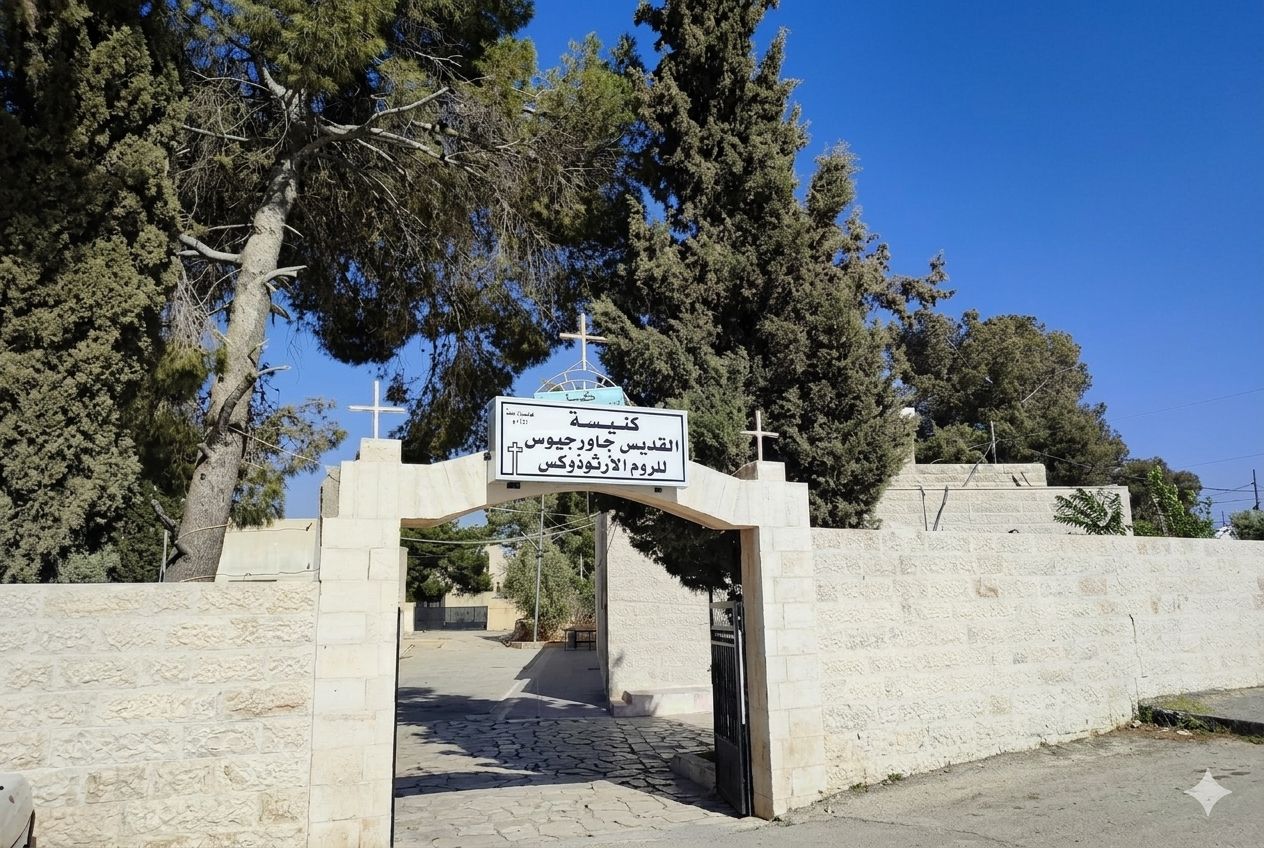
St. George Greek Orthodox Church
In the heart of Old Karak, Saint George Greek Orthodox Church stands as a testament to the city's rich history and spiritual diversity, where religious heritage meets historic architecture in one of Karak's most significant Christian landmarks.
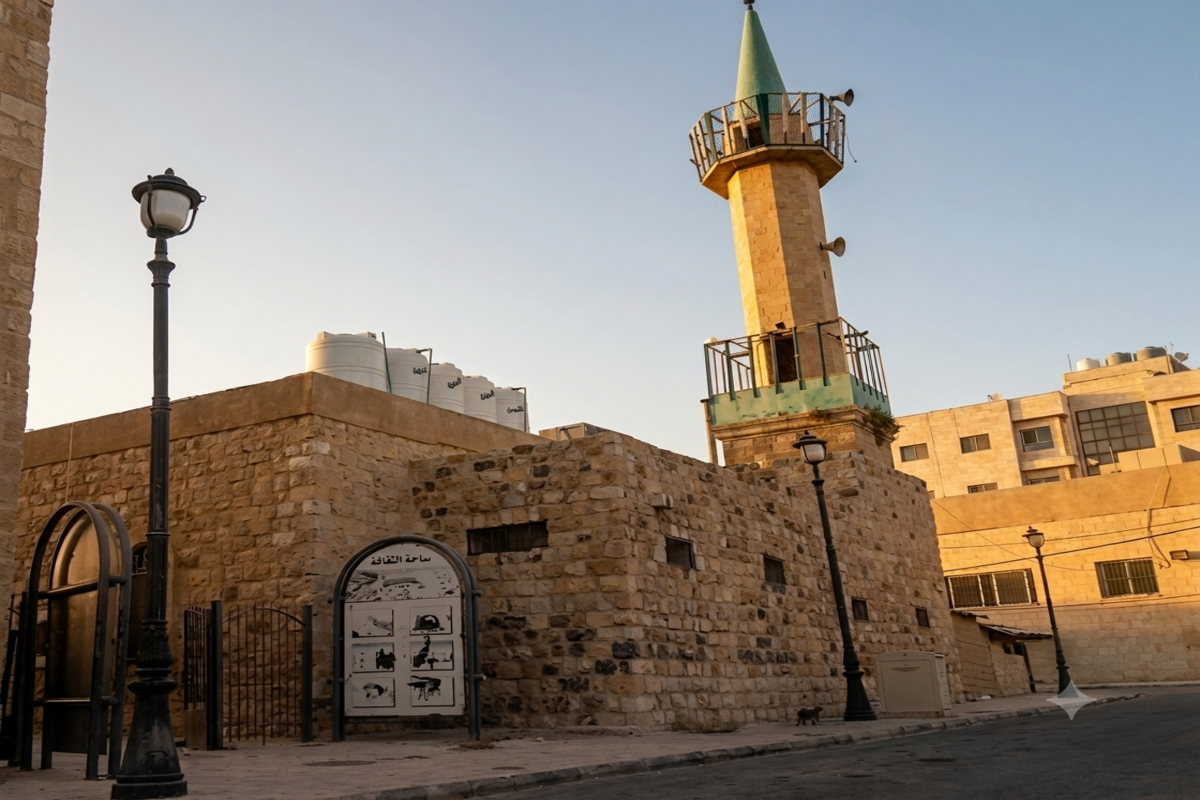
Al-Hamidi Mosque
In the heart of Old Karak, between Karak Castle and the Ottoman Saraya, Al-Hamidi Mosque stands as a symbol of the city's Ottoman heritage, blending spiritual tranquility with historic architecture.
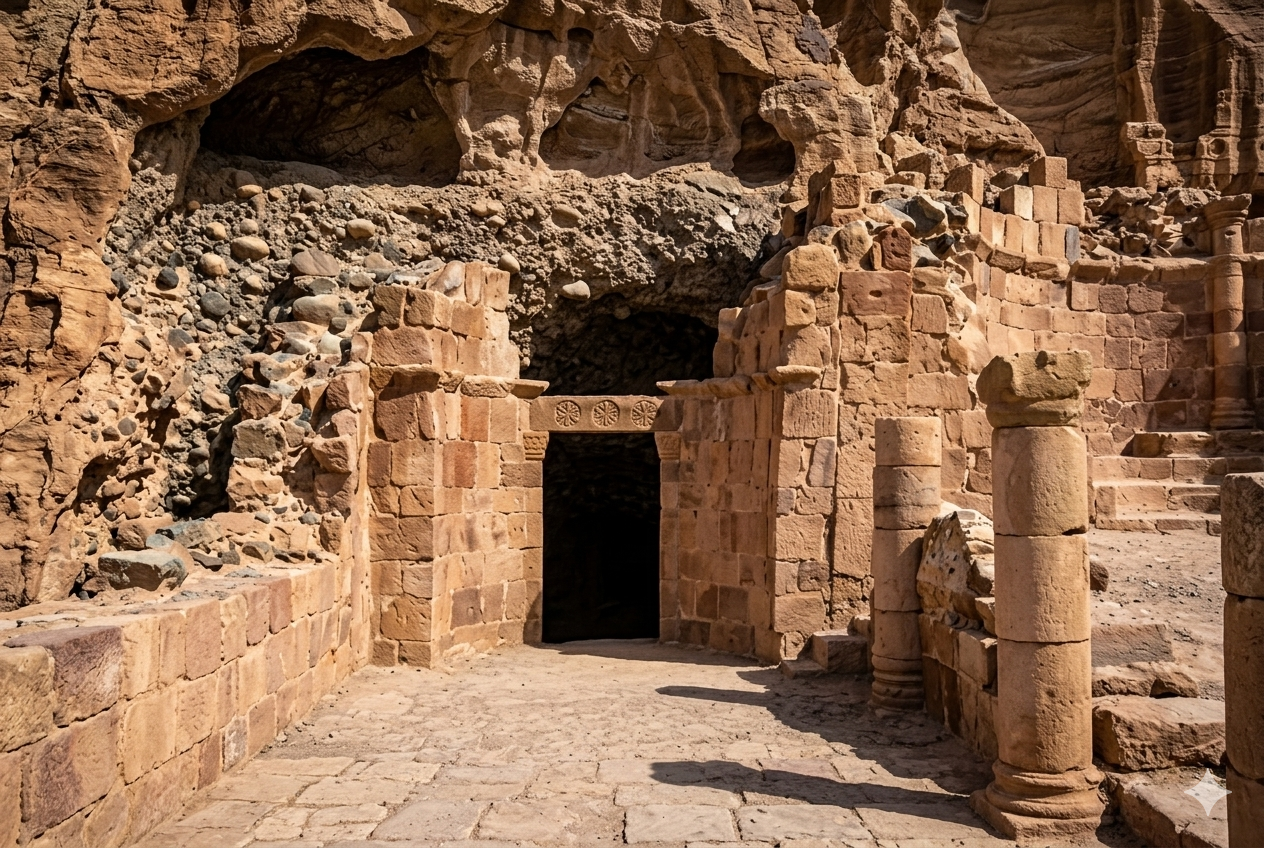
Prophet Lot Cave
Overlooking the Dead Sea and surrounded by the mountains of Al-Karak, Prophet Lot Cave offers a spiritual and historical experience where visitors feel connected to the timeless stories of the prophets and the ancient past of the region.
Nearby Restaurants
3
Add this landmark to your trip plan
Use the smart trip planner to design the perfect Karak tour