
Castles & Fortresses
Karak Landmark
Kerak Castle
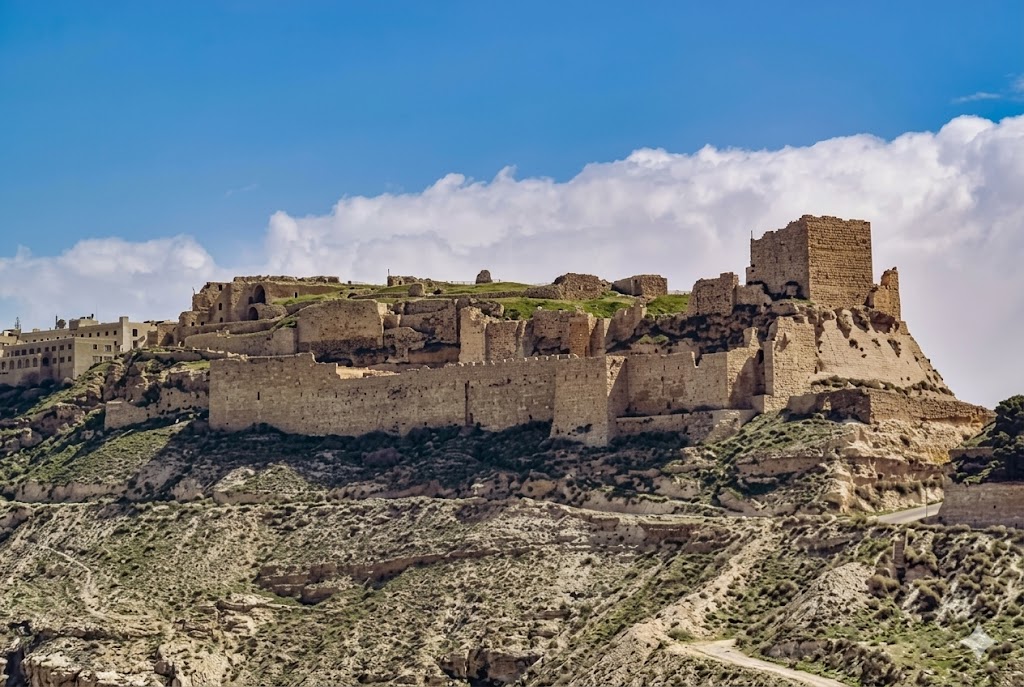
More than just a castle, Kerak Castle is a fortress of legends, battles, and civilizations. Rising above the mountains of Al-Karak, it offers visitors a journey through centuries of history, mystery, and breathtaking panoramic views.
Downtown Karak
About the Landmark
Castles & Fortresses
More than just a castle, Kerak Castle is a fortress of legends, battles, and civilizations. Rising above the mountains of Al-Karak, it offers visitors a journey through centuries of history, mystery, and breathtaking panoramic views.
Overview
Karak Castle is one of the largest and most significant historical fortresses in Jordan and the Middle East. Perched atop a rocky plateau nearly 1,000 meters above sea level, it dominates the historic city of Karak and overlooks ancient trade and pilgrimage routes. Thanks to its strategic location, the castle served as a major military and political stronghold for centuries and remains one of Jordan's most iconic heritage attractions today.
Through the Ages
The origins of the site date back to the Moabite Kingdom, when it was known as Kir of Moab. Over time, the location was occupied by the Nabataeans, Romans, Byzantines, and early Islamic states. In 1142 AD, the Crusaders rebuilt and heavily fortified the castle under Pagan the Butler, transforming it into one of the strongest Crusader fortresses in the Levant. Following the Battle of Hattin, Sultan Salah al-Din (Saladin) laid siege to the castle before recapturing it in 1188 AD. During the Mamluk period, the fortress underwent extensive expansion, including the construction of the massive Tower of Sultan Al-Zahir Baybars, while additional improvements continued during the Ottoman era.
Architecture and Fortifications
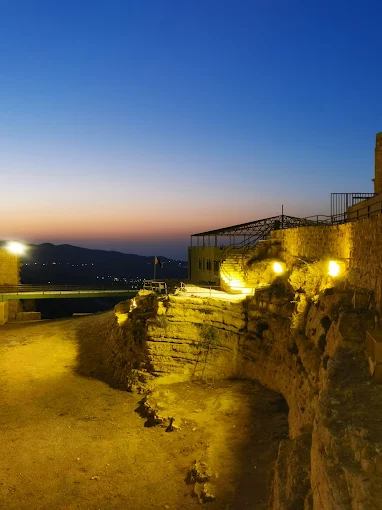
Karak Castle is an outstanding example of medieval military architecture. Built primarily from local limestone, it features massive defensive walls, fortified towers, vaulted halls, underground passages, rock-cut tunnels, and sophisticated water storage systems designed to withstand long sieges. The castle's multiple construction phases reflect the architectural influences of the civilizations that occupied it, creating a remarkable record of defensive engineering spanning many centuries.
Historical Significance
Throughout its history, Karak Castle played a decisive role in controlling the trade routes and pilgrimage roads linking Egypt, the Levant, and the Arabian Peninsula. Its commanding position made it one of the region's most strategically important fortresses, serving as a military headquarters and administrative center during different historical periods. The castle became the setting for some of the most significant confrontations between the Crusaders and Muslim armies, making it a lasting symbol of Karak's historical importance.
Visitor Experience
Exploring Karak Castle is a journey through centuries of history. Visitors can wander through its stone corridors, underground galleries, defensive towers, royal halls, and ancient reservoirs while discovering the remarkable engineering that once protected the fortress. From the castle walls, breathtaking panoramic views stretch across the historic city of Karak, surrounding valleys, and distant mountains. The on-site archaeological museum further enriches the experience with artifacts from the Moabite, Nabataean, Roman, Byzantine, Islamic, Mamluk, and Ottoman periods, offering a comprehensive insight into the region's rich cultural heritage.
Good to Know
- The site dates back to the Moabite Kingdom more than 2,700 years ago.
- The Crusaders rebuilt and fortified the castle in 1142 AD.
- Sultan Saladin recaptured the fortress in 1188 AD.
- The castle features an extensive network of underground tunnels and water reservoirs carved into the rock.
- It houses an archaeological museum displaying artifacts from multiple civilizations.
- Karak Castle is considered one of the largest and best-preserved medieval castles in Jordan and the Middle East.
Hours available
Entry info available
22 photos
Map location
Facilities
Facilities & Services
Available services and facilities for this landmark
Parking
Restrooms
View
Visitor Center
Conditions & Notes
Important notes before visiting this landmark
- يُفضّل ارتداء أحذية مريحة بسبب الممرات الحجرية والمنحدرات. أفضل أوقات الزيارة: الربيع والخريف. التصوير داخل القلعة من أجمل التجارب خاصة وقت الغروب. بعض الممرات الداخلية منخفضة الارتفاع وتتطلب الحذر أثناء الحركة.
Studio
2 videos
Landmark Videos
Videos are cover-only and load on click to keep the page fast.
Kerak Castle
Kerak Castle
Photo Gallery
1
/
22
Photos
Landmark Photos
Click any image to update the main preview, or open it full size.
Kerak Castle
Click image to enlarge
Gallery images
Scroll horizontally to view all photos
Google Maps
Directions
Location on Google Maps
Downtown Karak
Related Places
Al-Qatraneh Castle
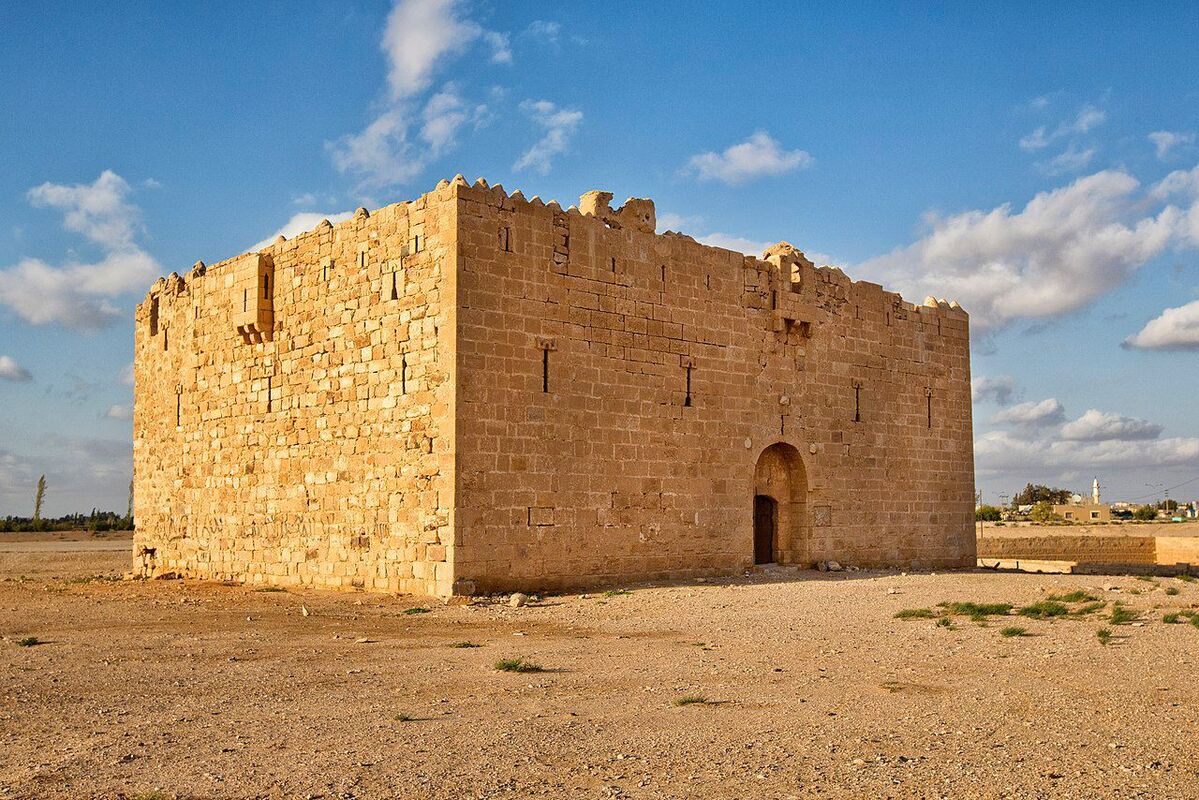
Standing in the heart of Jordan's southern desert, Al-Qatraneh Castle once served as a vital stop along the historic Syrian Hajj Route. Its Ottoman architecture and impressive water system continue to tell the story of pilgrims and caravans crossing the desert.
Rabba Palace (Rabba of Moab Archaeological Site)
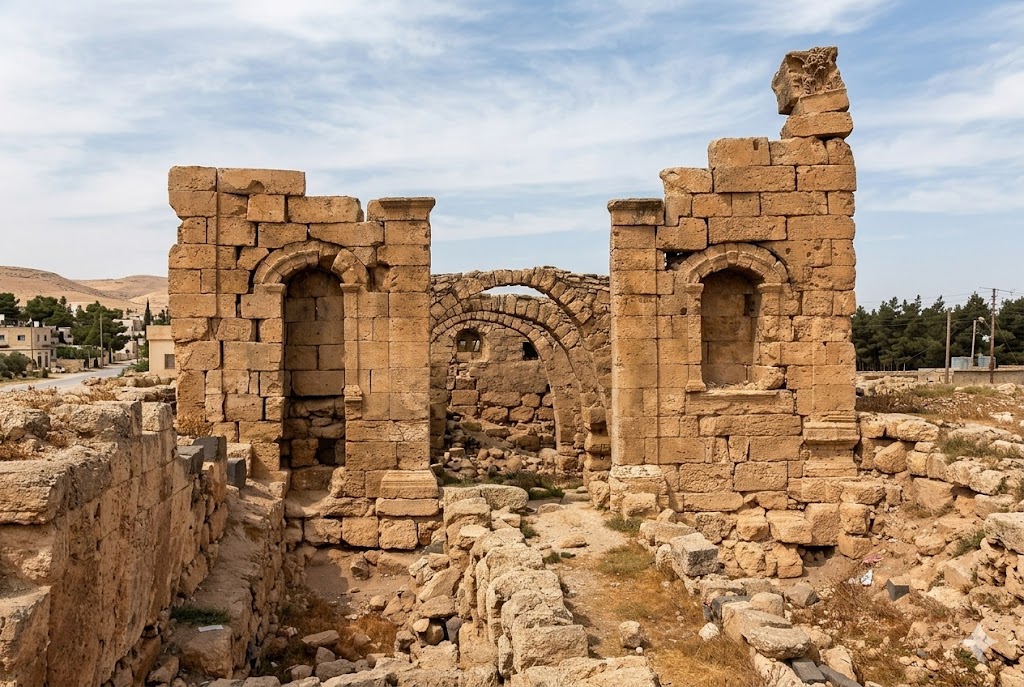
More than ruins, Rabba was once one of the great cities of ancient Moab, now standing as a historical palace that reflects layers of Nabataean, Roman, and Islamic history in southern Jordan.
Nearby Restaurants
3
Add this landmark to your trip plan
Use the smart trip planner to design the perfect Karak tour